

.svg)


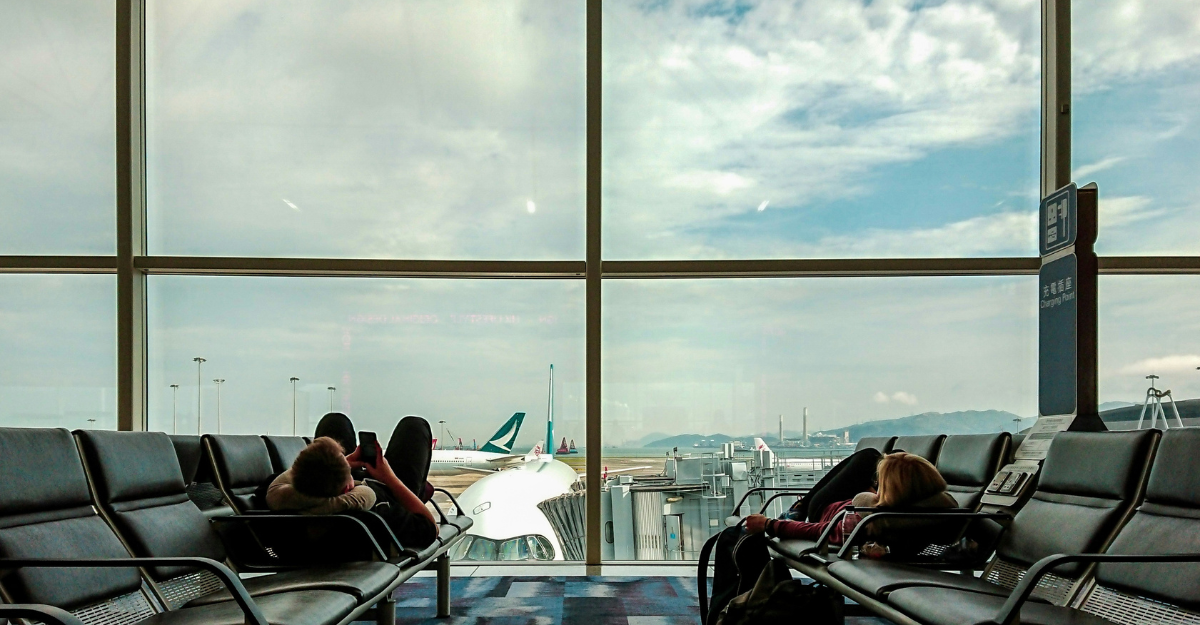
Imagine a passenger sitting near a departure gate, watching a status screen toggle from a green departure time to an uncertain ninety-minute delay. On the airline’s books, this ticket represents a fulfilled seat inventory unit, complete with unbundled add-ons like extra legroom or priority boarding. But on the terminal floor, that passenger’s mind is racing through a complex web of downstream dependencies: missed car rental desk cutoffs, expiring keyless hotel check-in codes, and rescheduled holiday experiences.
When an operational delay occurs, the traditional boundary between the airline's schedule and the traveller's personal itinerary dissolves. Travellers rarely view their journey as a list of unbundled fees. In their mind, they’ve bought a seamless bridge from point A to point B, where their flight is on time with their bags in tow, and their travel day goes exactly as planned. When weather, air traffic control congestion, or technical maintenance disrupts that schedule, the bubble bursts.
For airline commercial directors, the strategic opportunity lies in recognising that comprehensive delay protection creates reciprocal value. By building an intelligent travel layer that protects passengers during irregular operations, airlines can preserve customer trust while unlocking a resilient, high-margin commercial engine.
Why disruptions drain both the traveller and the airline
Flight delays are unavoidable, but traditional disruption management usually turns airlines and passengers into opponents. When plans fall apart, travellers face instant frustration and unexpected additional costs, while the airline absorbs surging support expenses, overwhelmed airport teams, and damaged loyalty.
If the research tells us anything, it's that passengers just want a smooth ride, and they're willing to pay for it. They expect real-time updates on their bags and schedules as a bare minimum. But the moment a flight gets pushed back or an unanticipated delay occurs, the whole experience falls apart. Suddenly, travellers are dealing with the usual friction: unhelpful chatbot loops, uploading receipt photos to clunky claim portals, and waiting weeks for a simple payout to hit their account.
For commercial leadership, this approach inflicts a double penalty. The airline absorbs massive administrative overhead and customer service costs to handle manual claims, yet the passenger still walks away feeling frustrated and unconsidered. Modern delay protection should replace this reactive friction loop with automated, proactive solutions that deliver immediate relief to the passenger while protecting the airline's operational capacity and bottom line.
Four dimensions of dual value in modern delay protection
In practice, delay protection reaches its full potential when it acts as a seamless safety net rather than an isolated add-on. By offering upfront flexibility, and real reassurance the moment plans break down, carriers take the friction out of a bad day for the traveller whilst preserving their own bottom line.
1. Upfront booking confidence through flexible refund options
Booking anxiety remains one of the primary drivers of cart abandonment across digital airline channels. Passengers hesitate to commit to non-refundable fares well in advance because life is just too unpredictable.
- Value to the Passenger: Travellers gain complete peace of mind at the moment of booking. Knowing they can request a 100% refund, if an unforeseen emergency prevents them from travelling, removes the psychological hesitancy of committing to a non-refundable ticket.
- Value to the Airline: Offering an accessible refundable upgrade option directly in the checkout flow reduces cart abandonment and boosts conversion rates. When managed through automated specialised platforms, the airline captures a high-margin ancillary revenue stream while avoiding administrative processing burdens, regulatory complexity, and credit card chargebacks.
2. Parametric delay assurance to reduce compensation friction
Flight timing adjustments create immediate financial and logistical pressure for travellers, who may suddenly need late-night ground transport, an extra meal, or emergency accommodation adjustments. Traditional reimbursement models depend on paper receipts, manual reviews, and prolonged wait times, compounding customer frustration.
- Value to the Passenger: Embedding parametric delay protection provides instant cash payouts or digital credits directly to the passenger's mobile device the moment a delay crosses a specified threshold. Powered by real-time flight tracking, this swift payout gives travellers the autonomy to solve their own downstream logistical needs without filing a single form.
- Value to the Airline: Automated payouts bypass customer support queues, call centre spikes, and manual application handling entirely. Settling disruption relief via live data feeds lowers operational overhead and transforms what is typically a major friction point into a demonstration of operational transparency.
3. Terminal hospitality to de-escalate gate tension
When a departure timeline stretches out, a passenger’s immediate concern shifts from schedule adherence to basic personal comfort. Waiting at an overcrowded, noisy gate with uncertain updates turns minor schedule adjustments into severe emotional fatigue.
- Value to the Passenger: When a delay occurs, automated systems can instantly issue digital lounge passes straight to the traveller's phone. Stepping out of a crowded gate area into a quiet lounge with comfortable seating, Wi-Fi, and complimentary refreshments completely alters the emotional narrative of the delay.
- Value to the Airline: Proactive hospitality de-escalates tension at the departure gate, protecting frontline staff from customer confrontation and protecting brand perception during difficult operational moments. An unexpected gesture of care turns a potential negative review into a story of customer advocacy.
4. Baggage and destination continuity to protect customer lifetime value
The passenger journey extends far beyond touchdown, concluding only when the traveller successfully collects their luggage and reaches their final destination. Standing beside an empty carousel after a long travel day remains one of the most damaging touchpoints in commercial aviation.
- Value to the Passenger: Data from the IATA Global Passenger Survey shows that 88% of travelers feel significantly more confident when provided with real-time tracking and luggage assurance. Automated baggage compensation provides an immediate payout if luggage fails to arrive on time, allowing the traveller to purchase essential items right away.
- Value to the Airline: Mitigating arrival panic protects post-flight Net Promoter Scores (NPS) and customer lifetime value (CLV). Preventing a luggage delay from ruining a traveller's trip ensures that a single baggage operational glitch does not destroy long-term brand loyalty.
The strategic imperative
When you look at delay protection as a two-way street, for both the passenger and the carrier, it changes the whole conversation around the booking flow. Rather than treating disruption management as a cost centre or a defensive checkout checkbox, forward-thinking carriers recognise it as a core driver of long-term profitability and direct-channel retention.
When travellers know that an airline actively considers the broader context of their trip, from booking flexibility and terminal comfort to baggage arrival, their purchasing behaviour changes. They become far less price-sensitive to minor fare differentials on third-party metasearch engines because they recognise the value of booking directly with a carrier that protects their entire day. Weather events and air traffic constraints will always be part of aviation, but losing customer loyalty and future yield during those moments is entirely preventable.
Giving passengers genuine peace of mind when delays happen builds a far more resilient, profitable airline model. When you look out for the complete context of the passenger’s journey, you stop selling simple seat inventory and start building real brand advocacy.
How are you currently thinking about the impact of disruption protection on long-term passenger loyalty and direct booking retention?